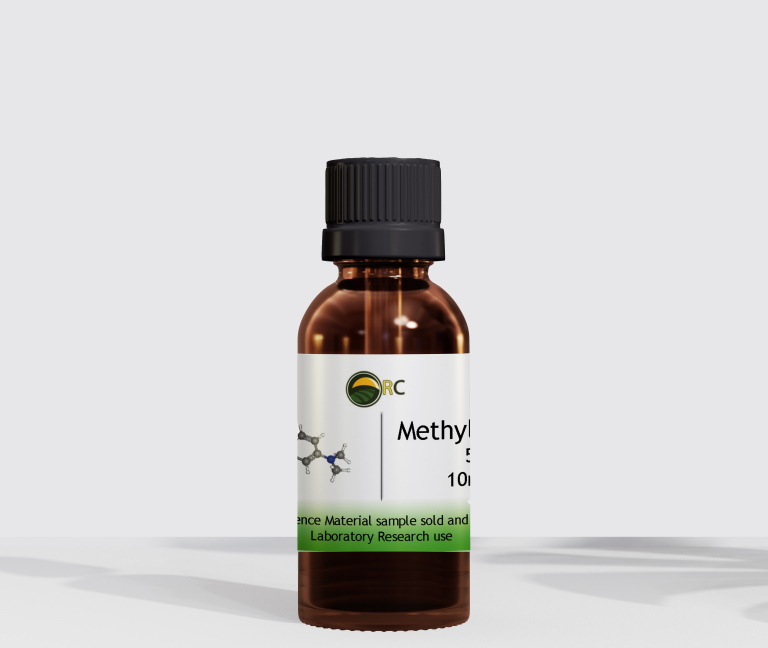
Description
Advanced Cellular Bioenergetics: Methylene Blue
Methylene Blue (methylthioninium chloride) is a synthetic phenothiazine derivative valued across biomedical, pharmacological, and cellular research. Known for its distinct deep-blue coloration and unique electron-accepting properties, it operates as an autoxidizable electron cycler in biological systems. By supporting cellular respiration and modulating redox kinetics, it serves as a critical reference compound in mitochondrial bioenergetics, enzyme inhibition, and histological staining protocols.
Technical & Product Specifications
-
Sample Size: 30ML | 10MG/ML | ( 30 X 10MG )
-
Purity: ≥99% HPLC Tested
-
Molecular Weight: 319.85 g/mol (Anhydrous)
-
CAS No.: 61-73-4
Mitochondrial Function & Cellular Mechanism
The primary analytical focus of Methylene Blue stems from its ability to interact directly with the mitochondrial electron transport chain (ETC). Unlike standard antioxidants, it acts as an alternative electron carrier that can bypass blockades at Complexes I and III, transferring electrons directly to cytochrome c. This mechanism enhances ATP production while minimizing the accumulation of reactive oxygen species (ROS) in oxidative stress models.
Research Formulations & Combinations
In advanced metabolic assays, researchers frequently catalog and evaluate the compound alongside peptide reference standards, leading to its inclusion in novel research stacks like a methylene blue peptide blend. Investigational workflows explore these synergies in cellular longevity, neuroprotection, and tissue repair models:
-
Assay Applications: Evaluated in cellular viability assays to measure metabolic activity and cellular oxygen consumption rates.
-
Injectable Formulations: Investigational protocols utilizing a methylene blue peptide injection format focus on precise, micro-dosed delivery in sterile in vitro and animal model systems.
-
Histological Staining: Functions as a robust fluorescent and visual dye for mapping cellular architecture and structural tissue analysis.
Sourcing Research-Grade Compounds
For laboratories determining methylene blue peptide where to buy, analytical purity is paramount. Industrial or low-grade dyes often contain trace heavy metals (such as zinc, lead, or arsenic) that compromise sensitive assays. Sourcing through certified vendors ensures high-purity, HPLC-verified material free from cytotoxic contaminants.
If your laboratory is searching for methylene blue peptide for sale, Receptor Chemicals provides high-purity, batch-tested reference materials engineered to deliver reproducible results across demanding scientific applications.