Cart 0 items for £0.00

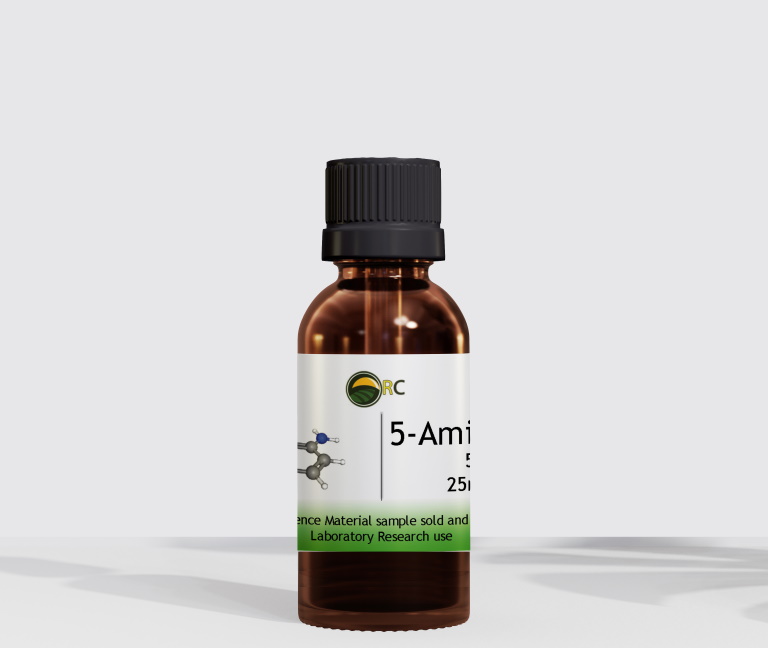
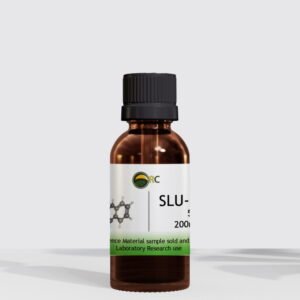
5-Amino-1MQ (Cl)

Sale!

5-Amino-1MQ (Cl)

Product Information

Original price was: £41.99.Current price is: £25.99.

Advanced Metabolic Research: 5-Amino-1MQ (Cl)

5-Amino-1MQ (Cl) (5-amino-1-methylquinolinium) is a selective, small-molecule inhibitor targeting the cytosolic enzyme nicotinamide N-methyltransferase (NNMT). NNMT plays a pivotal role in cellular energy regulation by methylating nicotinamide using S-adenosylmethionine (SAM). By inhibiting NNMT, this research compound prevents the depletion of key metabolic precursors, supporting cellular $\text{NAD}^+$ levels and modulating SAM/SAH methylation dynamics within adipose, liver, and skeletal muscle tissues.

Technical & Product Specifications

  • Size & Concentration: 30ml | 25mg/ml (750mg total active compound)

  • Purity: >99% Purity

  • Molecular Weight (M.Wt): 210.66 g/mol (Chloride salt)
  • Storage: Store at -20℃ (up to 3 years)

  • CAS No.: 42464-96-0

NNMT Inhibition & Cellular Energetics

NNMT is often overexpressed in compromised metabolic states, obesity, and aging skeletal muscle tissue. Research investigating 5-amino-1mq focuses primarily on its capacity to alter nutrient utilization and cellular flux:

  • $\text{NAD}^+$ Salvage Pathway Optimization: By blocking NNMT activity, more nicotinamide remains available to synthesize $\text{NAD}^+$, boosting mitochondrial oxidation and sirtuin activity.

  • Lipid Metabolism & Adiposity Control: Suppressing NNMT reduces adipocyte fat storage, shifts cellular preference toward lipolysis, and decreases lipogenesis.

  • Muscle Cell Regeneration & Repair: In vitro studies demonstrate that inhibiting NNMT supports myoblast differentiation, satellite cell proliferation, and structural muscle maintenance.

Laboratory Sourcing & Handling Standards

Although frequently cataloged alongside metabolic peptides, labeling the compound as a 5-amino-1mq peptide is a misnomer; it is a synthetic quinolinium derivative rather than a chain of amino acids. Establishing exact 5-amino-1mq dosage parameters and solvent concentrations in experimental assays is critical for achieving reproducible baseline results without inducing non-specific cytotoxicity.

In cell culture and analytical models, determining appropriate 5-amino-1mq dosage per day variables relies on strict analytical purity. Utilizing a ready-to-use liquid format dissolved in polyglycols or aqueous solutions ensures uniform pipetting and minimal batch-to-batch variance in quantitative bioassays.

Analytical Reagents by Receptor Chemicals

Receptor Chemicals supplies analytical-grade small molecules and enzyme inhibitors engineered for demanding biopharmaceutical and academic research. Every batch undergoes rigorous quality testing to verify chemical structure, purity, and stability across cellular and biochemical applications.
Description

Advanced Metabolic Research: 5-Amino-1MQ (Cl)

5-Amino-1MQ (Cl) (5-amino-1-methylquinolinium) is a selective, small-molecule inhibitor targeting the cytosolic enzyme nicotinamide N-methyltransferase (NNMT). NNMT plays a pivotal role in cellular energy regulation by methylating nicotinamide using S-adenosylmethionine (SAM). By inhibiting NNMT, this research compound prevents the depletion of key metabolic precursors, supporting cellular $\text{NAD}^+$ levels and modulating SAM/SAH methylation dynamics within adipose, liver, and skeletal muscle tissues.

Technical & Product Specifications

  • Size & Concentration: 30ml | 25mg/ml (750mg total active compound)

  • Purity: >99% Purity

  • Molecular Weight (M.Wt): 210.66 g/mol (Chloride salt)
  • Storage: Store at -20℃ (up to 3 years)

  • CAS No.: 42464-96-0

NNMT Inhibition & Cellular Energetics

NNMT is often overexpressed in compromised metabolic states, obesity, and aging skeletal muscle tissue. Research investigating 5-amino-1mq focuses primarily on its capacity to alter nutrient utilization and cellular flux:

  • $\text{NAD}^+$ Salvage Pathway Optimization: By blocking NNMT activity, more nicotinamide remains available to synthesize $\text{NAD}^+$, boosting mitochondrial oxidation and sirtuin activity.

  • Lipid Metabolism & Adiposity Control: Suppressing NNMT reduces adipocyte fat storage, shifts cellular preference toward lipolysis, and decreases lipogenesis.

  • Muscle Cell Regeneration & Repair: In vitro studies demonstrate that inhibiting NNMT supports myoblast differentiation, satellite cell proliferation, and structural muscle maintenance.

Laboratory Sourcing & Handling Standards

Although frequently cataloged alongside metabolic peptides, labeling the compound as a 5-amino-1mq peptide is a misnomer; it is a synthetic quinolinium derivative rather than a chain of amino acids. Establishing exact 5-amino-1mq dosage parameters and solvent concentrations in experimental assays is critical for achieving reproducible baseline results without inducing non-specific cytotoxicity.

In cell culture and analytical models, determining appropriate 5-amino-1mq dosage per day variables relies on strict analytical purity. Utilizing a ready-to-use liquid format dissolved in polyglycols or aqueous solutions ensures uniform pipetting and minimal batch-to-batch variance in quantitative bioassays.

Analytical Reagents by Receptor Chemicals

Receptor Chemicals supplies analytical-grade small molecules and enzyme inhibitors engineered for demanding biopharmaceutical and academic research. Every batch undergoes rigorous quality testing to verify chemical structure, purity, and stability across cellular and biochemical applications.