Cart 0 items for £0.00

KPV

KPV

Product Information

£29.99

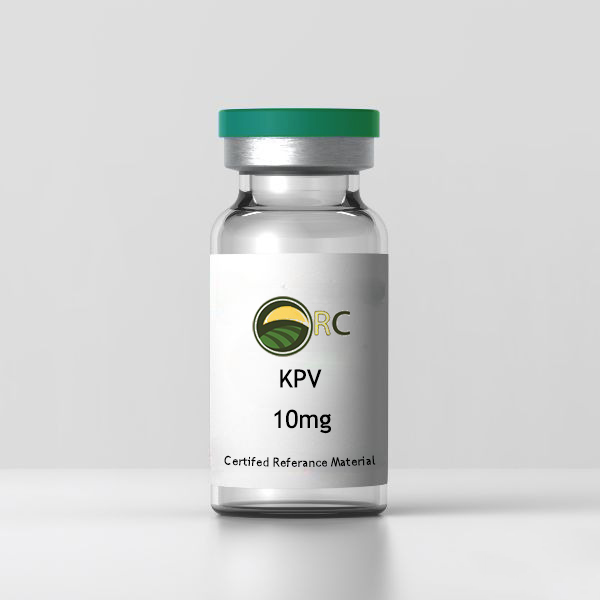
Targeted Cellular Research: KPV

(Lysine-Proline-Valine) is a tripeptide derived from the C-terminal fragment of alpha-melanocyte-stimulating hormone. Known for its potent immunomodulatory and anti-inflammatory properties, it offers researchers a targeted tool for exploring cytokine inhibition and cellular repair mechanisms without activating melanocortin receptors.

Technical & Product Specifications

  • Size: 5mg

  • Purity: >99% Purity

  • Sequence: H-Lys-Pro-Val-OH

  • Molecular Weight (M.Wt): ~342.43 g/mol

  • Storage: Store at -20℃ (up to 3 years)

  • CAS No.: 67727-97-3

Advanced Mechanisms of Action

The scientific interest surrounding the kpv peptide centers primarily on its ability to downregulate nuclear factor kappa B (NF-$\kappa$B), a master regulator of pro-inflammatory gene transcription. Research models demonstrate key functional capabilities:

  • NF-$\kappa$B Inhibition: Intercepts inflammatory cascades inside the cell, reducing the production of tumor necrosis factor-alpha and interleukin-6 (IL-6).

  • Intestinal Epithelial Support: Transports across colonic cells via PepT1 transporters to mitigate localized mucosal inflammation.

  • Antimicrobial Activity: Demonstrates intrinsic structural resistance against common bacterial strains and fungal pathogens in preclinical assays.

Laboratory Protocols and Multi-Peptide Blends

Determining proper experimental parameters involves analyzing specific kpv peptide dosage metrics in cellular and animal model systems. Baseline studies testing pure kpv dosage ranges focus on balancing localized cell uptake with receptor affinity.

In advanced tissue-repair research, scientists frequently combine synergistic compounds. The popular klow blend peptide kpv/ghk-cu/bpc-157/tb-500 merges KPV’s primary anti-inflammatory mechanism with the extracellular matrix remodeling of GHK-Cu, the angiogenic properties of BPC-157, and the actin-sequestering migration drivers of TB-500. This 4-part matrix offers a comprehensive, multi-pathway environment for wound healing, gut integrity, and soft-tissue regeneration models.

High-Purity Research Compounds

For academic laboratories, biopharmaceutical facilities, and analytical researchers, Receptor Chemicals supplies premium research compounds engineered for strict experimental standards. Our inventory undergoes rigorous testing to guarantee high purity, structural integrity, and batch-to-batch consistency.
Description

Targeted Cellular Research: KPV

(Lysine-Proline-Valine) is a tripeptide derived from the C-terminal fragment of alpha-melanocyte-stimulating hormone. Known for its potent immunomodulatory and anti-inflammatory properties, it offers researchers a targeted tool for exploring cytokine inhibition and cellular repair mechanisms without activating melanocortin receptors.

Technical & Product Specifications

  • Size: 5mg

  • Purity: >99% Purity

  • Sequence: H-Lys-Pro-Val-OH

  • Molecular Weight (M.Wt): ~342.43 g/mol

  • Storage: Store at -20℃ (up to 3 years)

  • CAS No.: 67727-97-3

Advanced Mechanisms of Action

The scientific interest surrounding the kpv peptide centers primarily on its ability to downregulate nuclear factor kappa B (NF-$\kappa$B), a master regulator of pro-inflammatory gene transcription. Research models demonstrate key functional capabilities:

  • NF-$\kappa$B Inhibition: Intercepts inflammatory cascades inside the cell, reducing the production of tumor necrosis factor-alpha and interleukin-6 (IL-6).

  • Intestinal Epithelial Support: Transports across colonic cells via PepT1 transporters to mitigate localized mucosal inflammation.

  • Antimicrobial Activity: Demonstrates intrinsic structural resistance against common bacterial strains and fungal pathogens in preclinical assays.

Laboratory Protocols and Multi-Peptide Blends

Determining proper experimental parameters involves analyzing specific kpv peptide dosage metrics in cellular and animal model systems. Baseline studies testing pure kpv dosage ranges focus on balancing localized cell uptake with receptor affinity.

In advanced tissue-repair research, scientists frequently combine synergistic compounds. The popular klow blend peptide kpv/ghk-cu/bpc-157/tb-500 merges KPV’s primary anti-inflammatory mechanism with the extracellular matrix remodeling of GHK-Cu, the angiogenic properties of BPC-157, and the actin-sequestering migration drivers of TB-500. This 4-part matrix offers a comprehensive, multi-pathway environment for wound healing, gut integrity, and soft-tissue regeneration models.

High-Purity Research Compounds

For academic laboratories, biopharmaceutical facilities, and analytical researchers, Receptor Chemicals supplies premium research compounds engineered for strict experimental standards. Our inventory undergoes rigorous testing to guarantee high purity, structural integrity, and batch-to-batch consistency.
Related Products