Cart 0 items for £0.00

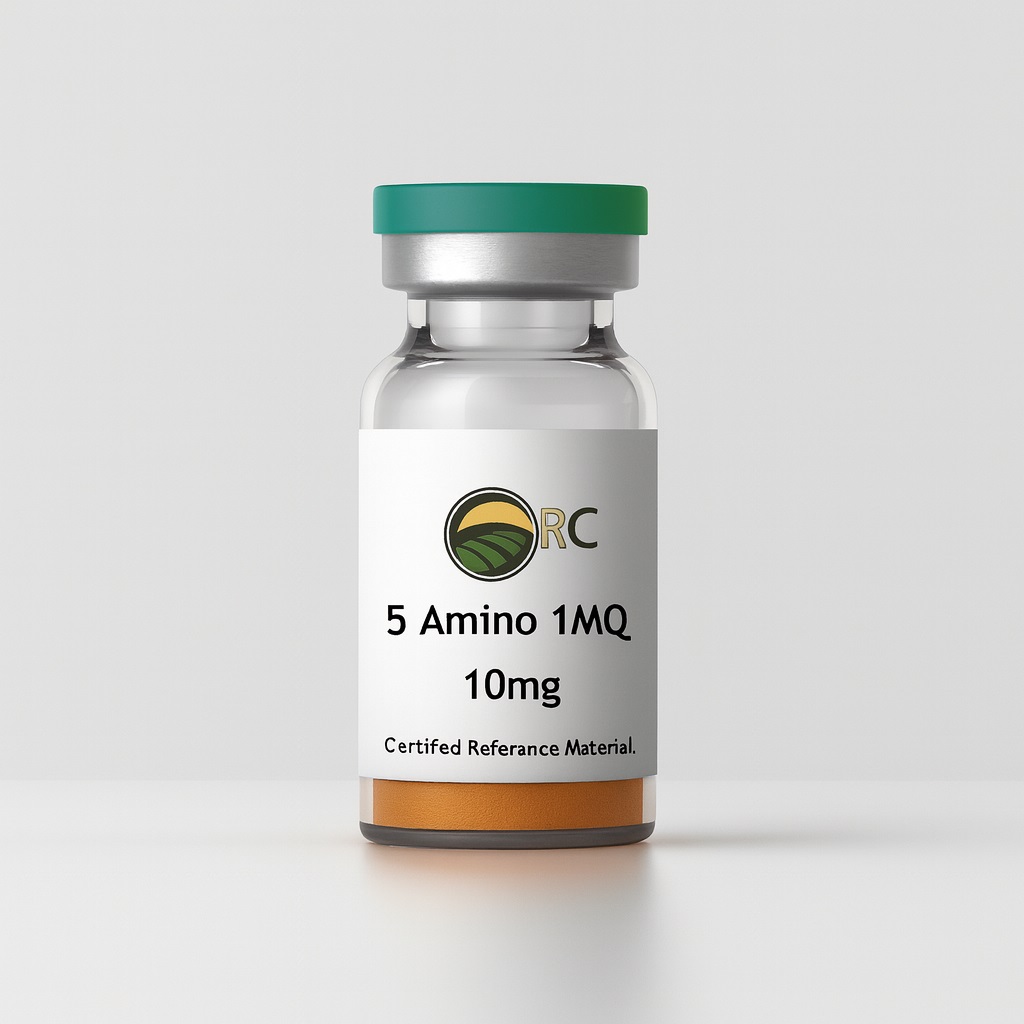
5-Amino-1MQ

5-Amino-1MQ

Product Information

£29.99

Advanced Enzyme Modulation: 5-Amino-1MQ

5-Amino-1MQ (5-amino-1-methylquinolinium) is a small-molecule membrane-permeable enzyme inhibitor gaining significant focus in metabolic, cellular signaling, and energetic research. It functions primarily as a selective inhibitor of nicotinamide N-methyltransferase (NNMT), an enzyme heavily expressed in adipose tissue and skeletal muscle that regulates cellular energy metabolism. SourcinDiscover high-purity 5-Amino-1MQ (CAS No. 42464-96-0) at Receptor Chemicals, featuring ≥98% pure NNMT enzyme inhibitors engineered for cellular energy, NAD+ pathway, and metabolic researchg analytical-grade reference compounds is essential for laboratories conducting baseline metabolic screening and enzyme kinetics studies.

Technical & Product Specifications

  • Sample Size: 50ml / Lyophilized Vials

  • Purity: ≥98% Purity (HPLC)

  • CAS No.: 42464-96-0

  • Molecular Weight: 159.21 g/mol (free base) / 286.11 g/mol (iodide salt)

  • Storage: Store at -20°C

Enzymatic Mechanism and Research Scope

In cellular biology, NNMT transfers methyl groups from S-adenosylmethionine (SAM) to nicotinamide, producing 1-methylnicotinamide (MNA). By inhibiting NNMT activity, 5-Amino-1MQ allows researchers to study several core pathways:

  • NAD+ Salvage Pathway: Preventing NNMT consumption of nicotinamide preserves substrates necessary for NAD+ synthesis, enhancing cellular energy homeostasis and mitochondrial efficiency.

  • S-Adenosylmethionine (SAM) Preservation: Reducing methyl group depletion helps maintain epigenetic methyl donor pools required for gene expression regulation and histone methylation.

  • Adipocyte & Muscle Physiology: Research models demonstrate that blocking NNMT reduces intracellular fat accumulation without impairing glucose transport, making it a critical reference standard in metabolic regulation studies.

Laboratory Formulations & Dosing Protocols

When evaluating NNMT inhibition in laboratory environments, investigators utilize specialized assays to measure kinetic parameters. While researchers often assess oral delivery models using 5-amino-1mq capsules, in vitro and specialized animal models frequently evaluate targeted administration routes to observe localized tissue response.

Evaluating a 5-amino-1mq dosage requires careful calibration based on assay design and subject mass. In preclinical rodent studies, researchers exploring systemic absorption often benchmark a 5-amino-1mq dosage subcutaneous administration protocol alongside oral pathways to compare bio-availability, peak plasma concentration, and tissue distribution profiles. Often grouped alongside metabolic regulators, this synthetic compound acts as a distinct small molecule rather than a traditional 5-amino-1mq peptide structure.

High-Purity Reagents for Advanced Research

For academic institutions, biopharmaceutical laboratories, and analytical researchers, Receptor Chemicals provides high-grade compounds engineered to strict quality control parameters. Our reference standards undergo thorough testing to ensure structural validation, high purity, and reproducible performance in demanding laboratory settings.
Description

Advanced Enzyme Modulation: 5-Amino-1MQ

5-Amino-1MQ (5-amino-1-methylquinolinium) is a small-molecule membrane-permeable enzyme inhibitor gaining significant focus in metabolic, cellular signaling, and energetic research. It functions primarily as a selective inhibitor of nicotinamide N-methyltransferase (NNMT), an enzyme heavily expressed in adipose tissue and skeletal muscle that regulates cellular energy metabolism. SourcinDiscover high-purity 5-Amino-1MQ (CAS No. 42464-96-0) at Receptor Chemicals, featuring ≥98% pure NNMT enzyme inhibitors engineered for cellular energy, NAD+ pathway, and metabolic researchg analytical-grade reference compounds is essential for laboratories conducting baseline metabolic screening and enzyme kinetics studies.

Technical & Product Specifications

  • Sample Size: 50ml / Lyophilized Vials

  • Purity: ≥98% Purity (HPLC)

  • CAS No.: 42464-96-0

  • Molecular Weight: 159.21 g/mol (free base) / 286.11 g/mol (iodide salt)

  • Storage: Store at -20°C

Enzymatic Mechanism and Research Scope

In cellular biology, NNMT transfers methyl groups from S-adenosylmethionine (SAM) to nicotinamide, producing 1-methylnicotinamide (MNA). By inhibiting NNMT activity, 5-Amino-1MQ allows researchers to study several core pathways:

  • NAD+ Salvage Pathway: Preventing NNMT consumption of nicotinamide preserves substrates necessary for NAD+ synthesis, enhancing cellular energy homeostasis and mitochondrial efficiency.

  • S-Adenosylmethionine (SAM) Preservation: Reducing methyl group depletion helps maintain epigenetic methyl donor pools required for gene expression regulation and histone methylation.

  • Adipocyte & Muscle Physiology: Research models demonstrate that blocking NNMT reduces intracellular fat accumulation without impairing glucose transport, making it a critical reference standard in metabolic regulation studies.

Laboratory Formulations & Dosing Protocols

When evaluating NNMT inhibition in laboratory environments, investigators utilize specialized assays to measure kinetic parameters. While researchers often assess oral delivery models using 5-amino-1mq capsules, in vitro and specialized animal models frequently evaluate targeted administration routes to observe localized tissue response.

Evaluating a 5-amino-1mq dosage requires careful calibration based on assay design and subject mass. In preclinical rodent studies, researchers exploring systemic absorption often benchmark a 5-amino-1mq dosage subcutaneous administration protocol alongside oral pathways to compare bio-availability, peak plasma concentration, and tissue distribution profiles. Often grouped alongside metabolic regulators, this synthetic compound acts as a distinct small molecule rather than a traditional 5-amino-1mq peptide structure.

High-Purity Reagents for Advanced Research

For academic institutions, biopharmaceutical laboratories, and analytical researchers, Receptor Chemicals provides high-grade compounds engineered to strict quality control parameters. Our reference standards undergo thorough testing to ensure structural validation, high purity, and reproducible performance in demanding laboratory settings.